- +917069029466
- sales1@centroiidmeditech.com

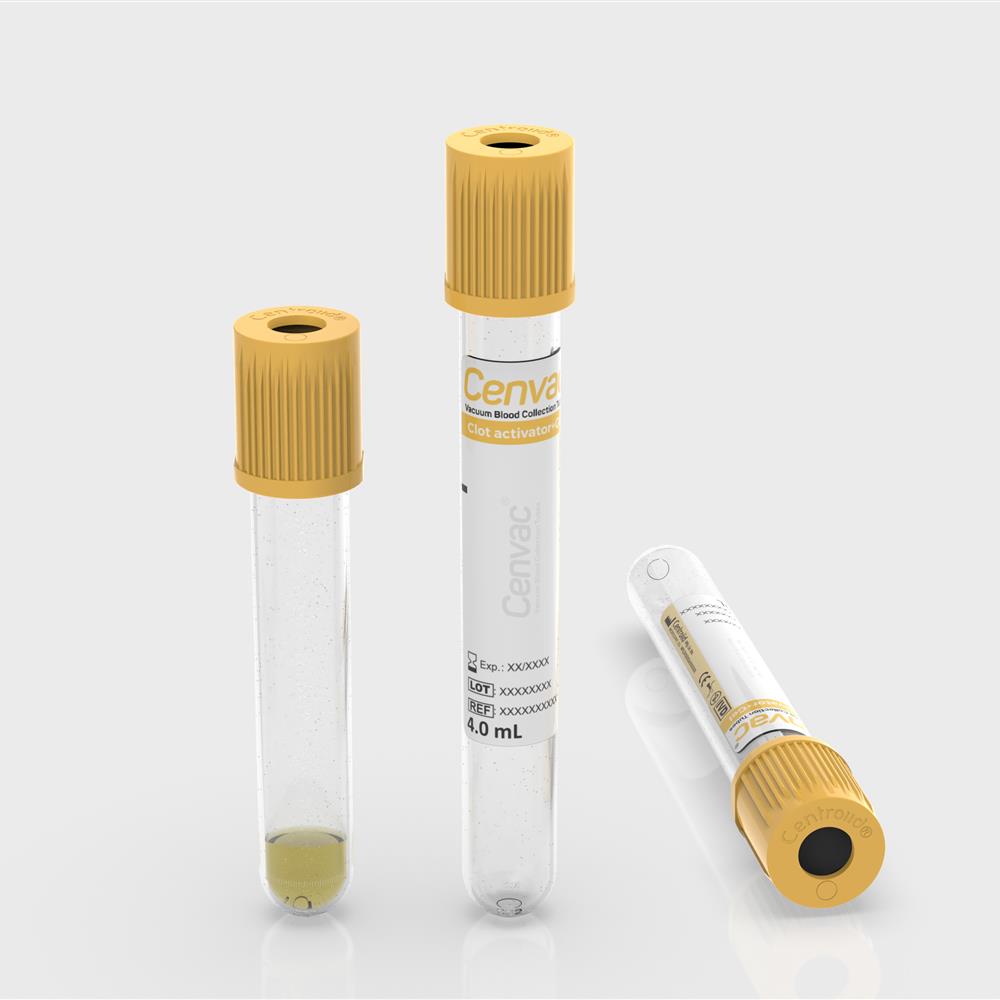
Blood samples are drawn into tubes that include particular additives. The cap's hue signifies the additive type and the intended test purpose. Vacutainer tubes are distinguished by color to denote their contents, which in turn specifies the kind of specimen be it whole blood, serum, or plasma and the analyses that can be conducted. Often referred to as vacutainers, blood collection tubes are color-labeled according to the additive they hold. This additive dictates how the blood is processed (for instance, whether it is allowed to clot) and, as a result, which laboratory tests the sample is appropriate for.
Blood collection tubes are recognized by their cap colors, which reveal the internal additives essential for particular laboratory tests. Typical tube varieties encompass yellow (for blood culture), light blue (containing sodium citrate), red or gold (with clot activator and/or serum separator), green (heparin), purple or lavender (EDTA), pink (EDTA for blood banking), and gray (glycolytic inhibitors such as sodium fluoride). The necessary tube is determined by the test, and the sequence of filling is critical to avoid contamination.
This category of blood collection tube incorporates specialized coagulants designed for the rapid delivery of complete serum in clinical assessments, extensively employed in emergency biochemical and immunological testing. The specialized coagulants are uniformly coated across the entire inner surface of the tube, optimizing the contact area with the blood. They do not dissolve into the serum or interact with cellular components, exhibit minimal competitive adsorption with proteins, maximize serum recovery, and preserve serum quality.
Blood Collection Tubes Name In Sikkim
Blood Collection Tubes Name Manufacturers In Namchi
Blood Collection Tubes Name Suppliers In Gangtok
Blood Collection Tubes Name Exporters In Geyzing
Sikkim - Blood Collection Tubes Name.
Gangtok, Geyzing, Mangan, Namchi

 WhatsApp Us
 Get Direction