- +917069029466
- sales1@centroiidmeditech.com

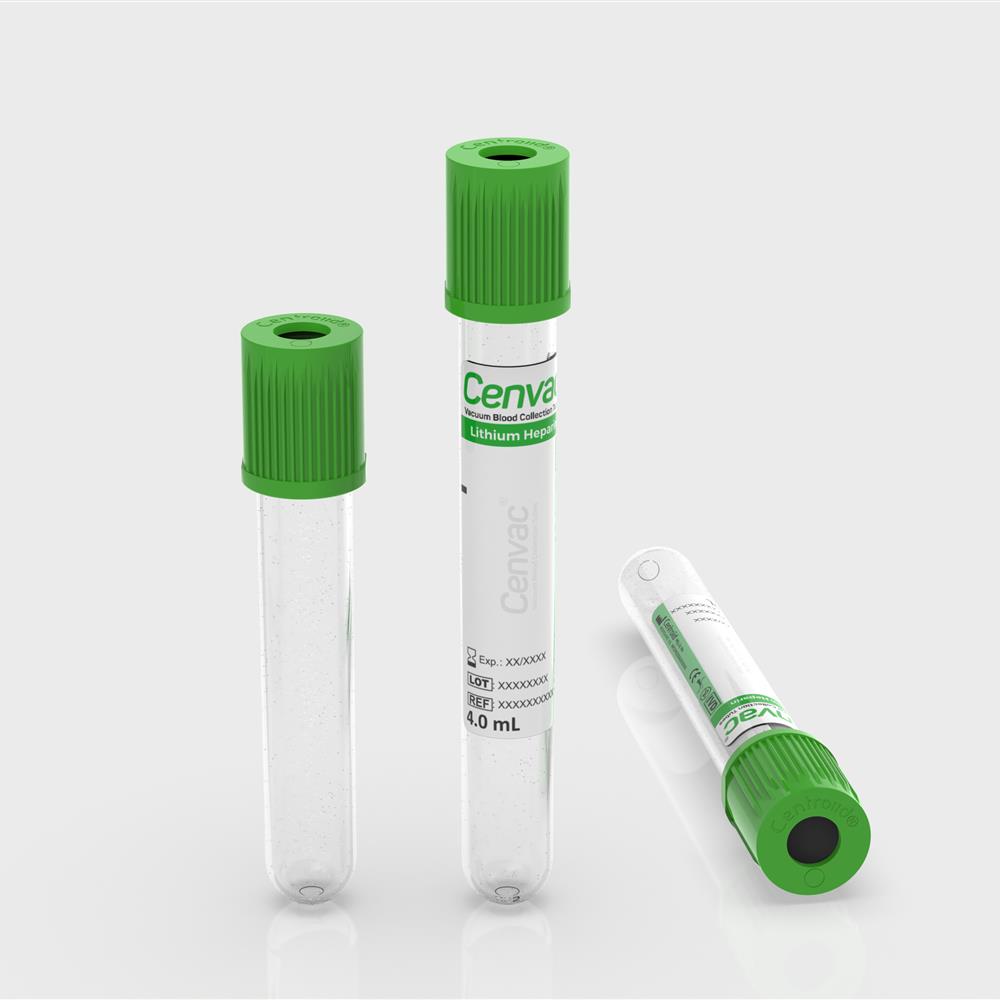
Blood collection tubes' color-coded tops identify particular additives that prepare the blood for various laboratory analyses. To avoid "cross-contamination" of additives, which can result in inaccurate test results, it is essential to adhere to the proper order of draw.The particular additives that are used to prepare blood for various laboratory analyses are indicated by color-coding blood collection tubes. To avoid cross-contamination and guarantee accurate findings, using the right tube and adhering to the exact "Order of Draw" are essential.Blood is collected, preserved, and transported for laboratory examination using specifically made receptacles called blood sample collecting tubes.
Their intended tests, color codes, and additives are the primary differences amongst them.In order to ensure blood sample integrity—which is essential for precise hematology, biochemistry, or blood banking analysis—blood collection tubes are evacuated tubes with color-coded covers that indicate specific additives required for certain lab tests. To avoid sample contamination and mistakes, the hue determines the test (for example, purple for CBC with EDTA, light blue for coagulation with sodium citrate, and red for serum).
A sterile glass or plastic test tube with a colored rubber stopper that creates a vacuum seal inside the tube to enable the drawing of a predefined volume of liquid is called a vacutainer blood collection tube.Long after the samples are taken from the patient, blood collection tubes guarantee their integrity. For proper findings, the blood sample must not change from when it was collected. Different blood collection tubes have special chemicals that avoid clotting, hemolysis, and other changes over time.
Blood Sample Collection Tubes In Iraq
Blood Sample Collection Tubes Manufacturers In Babylon
Blood Sample Collection Tubes Suppliers In Wasit
Blood Sample Collection Tubes Exporters In Najaf
Iraq - Blood Sample Collection Tubes.
Dohuk, Nineveh, Erbil, Kirkuk, Sulaymaniyah, Saladin, Al Anbar, Baghdad, Diyala, Karbala, Babylon, Wasit, Najaf, Al-Qādisiyyah, Maysan, Muthanna, Dhi Qar, Basra, Halabja

 WhatsApp Us
 Get Direction